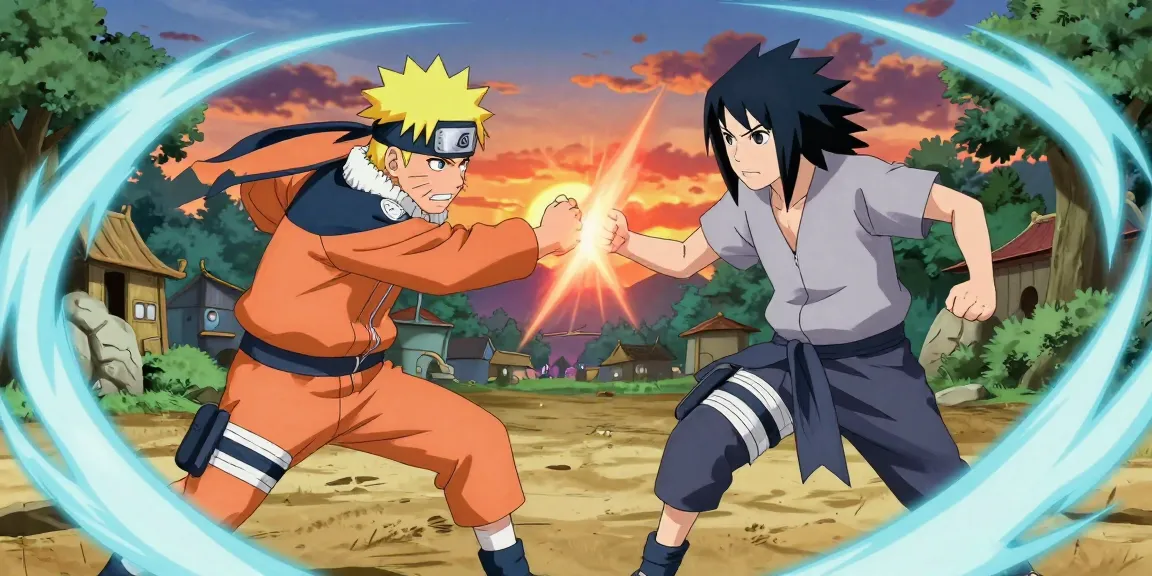
The Evolution of Narutas Viesulo Kronikos
For many fans around the globe, the tale of Naruto Uzumaki resonates deeply, encapsulating the essence of growth, friendship, and perseverance. Known in Lithuania as narutas viesulo kronikos, this series extends beyond mere entertainment; it offers a philosophy of life that encourages viewers never to give up on their dreams. The transition from the original Naruto series to its sequel, Naruto: Shippuden, marks a pivotal moment in anime history, representing not just a shift in narrative but also a maturation of themes and character arcs that mirror the experiences of its audience.
How the Series Transitioned from Naruto to Shippuden?
The journey from Naruto to Naruto: Shippuden signifies more than just a chronological advancement; it embodies emotional and thematic evolution. The original Naruto series focuses on younger characters navigating the complexities of their world and interpersonal relationships, primarily highlighting the challenges faced by a child ostracized by society due to his past. This foundational arc lays the groundwork for profound developments in Shippuden, where Naruto returns older, wiser, and more determined than ever to protect his friends and his village.
Shippuden showcases the consequential shifts in Naruto's outlook, underscoring themes of redemption, loss, and the importance of relationships. Unlike its predecessor, Shippuden delves deeper into the intricacies of the shinobi world, exploring broader narratives of conflict among the Five Great Nations, the Akatsuki organization, and the political undertones of their clashes. This escalation not only elevates the stakes within the narrative but also fosters a more mature audience connection.
Key Themes in Narutas Viesulo Kronikos
Central to the thematic depth of Narutas Viesulo Kronikos is the concept of the “Ninja Way,” which embodies resilience and unwavering determination. This philosophy is exemplified through Naruto’s relentless pursuit of acknowledgment and acceptance, reinforcing the notion that one's past does not define their future. As the characters evolve, the series explores significant themes such as:
- Friendship and Loyalty: The bonds between Naruto, Sasuke, Sakura, and their peers underpin the narrative, illustrating how unity can overcome the largest of obstacles.
- Redemption and Forgiveness: Characters like Sasuke Uchiha undergo profound transformations that highlight personal growth, showcasing cycles of vengeance and the opportunity for redemption.
- Perseverance in the Face of Adversity: Through numerous trials, Naruto's unwavering spirit serves as a beacon of hope, inspiring both characters and viewers alike.
Character Development Through the Series
Emotional Growth of Naruto Uzumaki
Naruto Uzumaki's character arc is a masterclass in emotional resilience. Initially portrayed as a brash, attention-seeking child, Naruto's journey in Narutas Viesulo Kronikos reveals the layers of his complexity. He transitions from seeking validation to embracing his role as a leader and protector of his village. This growth is marked by several key moments, such as his confrontation with Sasuke during their tumultuous relationship and the struggles he faces to bring him back to the village. The evolution of Naruto represents a path many can relate to—one of growth through experiences, learning from failures, and ultimately finding one’s purpose.
Sasuke Uchiha's Journey and Redemption
Sasuke’s trajectory serves as a dark counterpoint to Naruto's light. Starting as a rival, Sasuke's descent into vengeance after his family's massacre presents a stark perspective on the impact of loss and trauma. His journey through Narutas Viesulo Kronikos demonstrates the conflict of self versus the influence of others. The series painstakingly details his struggles, illustrating how vengeance can consume an individual while simultaneously offering glimpses of the possibility of redemption. The climax of Sasuke's arc culminates in his eventual reconciliation with Naruto, showcasing the power of forgiveness and understanding.
Supporting Characters: Growth and Significance
While Naruto and Sasuke take center stage, the supporting characters in Narutas Viesulo Kronikos contribute significantly to the overarching narrative and themes. Characters like Sakura Haruno evolve from a love-struck kunoichi to a powerful healer, showcasing personal growth and empowerment. Likewise, characters such as Kakashi Hatake and Gaara highlight the importance of mentorship and the impact of leadership in shaping identities. Collectively, these characters enrich the story and emphasize the interconnectedness of their journeys.
Combat and Animation Techniques
Innovations in Anime Action Sequences
The action sequences in Narutas Viesulo Kronikos represent a significant leap in animation quality and choreography compared to its predecessor. With higher production values, the battles are not merely visual spectacles but also serve a narrative purpose, encapsulating character growth and emotional stakes. The introduction of innovative techniques, such as the use of elemental ninjutsu and various fighting styles, enhances the dynamism of each confrontation.
Chakra and Fighting Styles: A Visual Spectacle
Chakra manipulation is a core component of the art of ninjutsu, and its representation within Narutas Viesulo Kronikos is both visually stunning and narratively essential. The series explores various fighting styles and approaches, reflecting the characters' personalities and growth. From Naruto's signature Rasengan to Sasuke's mastery of the Sharingan, the conflicts are not just battles of strength but also battles of wits, strategy, and emotional investment.
The Role of Animation Quality in Audience Retention
One cannot overlook the importance of high-quality animation in engaging audiences. The meticulous attention to detail in character design, fluidity of movements, and vivid color palettes serves not only to captivate viewers but also to convey the emotional weight of each scene. As audiences become more discerning, the animation quality in Narutas Viesulo Kronikos plays a crucial role in maintaining viewer interest across its extensive episode count.
Fan Community and Cultural Impact
How Fans Keep the Legacy Alive Through Art and Discussions
The Naruto franchise has cultivated a vibrant global fanbase that actively engages in discussions, artwork, and fan fiction. This strong community serves as a testament to the cultural significance of Narutas Viesulo Kronikos. Fans continue to celebrate the series through conventions, fan art, and social media discussions, ensuring that the story and its lessons are passed on to new generations.
The Role of Online Platforms in Fandom
With the advent of digital platforms, fans have unprecedented access to content and community interaction. Sites such as Reddit, Tumblr, and various anime forums serve as hubs for discussion and sharing of fan art, theories, and character analyses. This online presence not only preserves the legacy of Narutas Viesulo Kronikos but also fosters a sense of belonging among fans worldwide.
Cultural Relevance of Naruto in Lithuania
In Lithuania, the dub of Naruto: Shippuden as Narutas Viesulo Kronikos highlights the localization efforts essential for making the series accessible to broader audiences. The translation maintains thematic integrity while resonating with Lithuanian culture, thus enriching the viewing experience for local fans. Furthermore, the series has prompted cultural discussions and adaptations that reflect its impact beyond entertainment, addressing issues such as bullying, acceptance, and emotional resilience.
FAQs About Narutas Viesulo Kronikos
What are the differences between Narutas Viesulo Kronikos and Naruto: Shippuden?
While both series chronologically depict the same narrative, Narutas Viesulo Kronikos is the localized title for Naruto: Shippuden in Lithuania. The content remains consistent, but cultural nuances and dubbing may differ to suit local audiences.
Should I watch the original series before Narutas Viesulo Kronikos?
Absolutely. The original series lays the foundational groundwork for character development and thematic elements that are crucial for understanding the character arcs and emotional weight in Narutas Viesulo Kronikos.
How many episodes are in Narutas Viesulo Kronikos?
Narutas Viesulo Kronikos, corresponding to Naruto: Shippuden, comprises a total of 500 episodes, encompassing a vast array of story arcs and character journeys.
What does 'Shippuden' signify in the series?
'Shippuden' translates to 'Hurricane Chronicles' or 'Wind Chronicles,' symbolizing the turbulent nature of the conflicts and growth experienced by Naruto and his companions as they navigate their evolving roles within the ninja world.
Why is Narutas Viesulo Kronikos considered timeless?
The timeless appeal of Narutas Viesulo Kronikos lies in its universal themes of perseverance, friendship, and growth. Its exploration of complex emotional and psychological issues resonates with audiences of all ages, making it more than just an anime series; it represents a lasting legacy that inspires resilience and hope.