Understanding the Distance to Yosemite National Park
When planning a trip from San Francisco to one of California's iconic natural gems, visitors often ask, how far is yosemite national park from san francisco california? Knowing the distance and travel options can significantly enhance your road trip experience. Yosemite National Park, known for its breathtaking scenery, towering cliffs, and exquisite waterfalls, is a popular destination for both locals and tourists. This guide will provide you with all the details you need to seamlessly transition from the urban landscape of San Francisco to the majestic wilderness of Yosemite.
1. Driving Distance and Time
The driving distance from San Francisco to Yosemite National Park is approximately 170 miles. Depending on your route and traffic conditions, the journey typically takes around 3.5 to 4.5 hours. The most common route is via Interstate 580 East, merging onto Highway 120, which leads directly into the park. This route not only serves as a direct path but also offers scenic views of rolling hills and vibrant vineyards, especially as you approach the Sierra Nevada foothills.
Traffic can vary, particularly during weekend getaways, summer vacations, and holidays, so it's advisable to check real-time traffic updates before you leave. Oftentimes, an early start can save you from the bulk of the congestion, allowing you to enjoy a smoother drive.
2. Alternative Transportation Options
If you’re not keen on driving, several alternative transportation options are available. Many travelers opt for bus services that run regular routes from San Francisco to Yosemite. Companies like Greyhound or specific tourist buses provide convenient schedules that can reduce the stress of navigation.
For those looking for a more immersive experience, guided tours are popular. These tours often include transportation, a knowledgeable guide, and sometimes additional perks such as meals or special activities like hiking or photography sessions. Train travel is another option, with Amtrak running services to nearby locations, followed by shuttle services to the park.
3. Planning Your Route to Maximize Scenic Stops
To enhance your journey, consider planning scenic stops along your route. This way, you can break up the drive while appreciating California's diverse landscapes. Popular stops include:
- Santa Clara Valley: Known for its picturesque wineries and orchards.
- Livermore Valley: A charming area for wine tasting and local dining.
- Oakdale: A classic Californian town offering a quaint atmosphere and access to local attractions.
- Groveland: The gateway town to Yosemite, providing a final opportunity to stock up on supplies and enjoy local eateries.
What to Expect on Your Journey
Your journey to Yosemite National Park is not just about the destination; the ride itself can be filled with exciting experiences. Understanding what to expect could make your trip more enjoyable and comfortable.
1. Key Landmarks Along the Way
Along the route, you'll encounter various landmarks that offer great opportunities for exploration and photography. Significant sites to consider include:
- Mount Diablo: An iconic peak with panoramic views of the Bay Area, perfect for a quick detour.
- Lake Don Pedro: A beautiful reservoir offering recreational activities like fishing and hiking.
- Historic Gold Rush Towns: Towns such as Columbia and Sonora showcase California's gold rush heritage, complete with museums and historic sites.
2. Best Times for Travel and Traffic Considerations
Timing your trip can make a substantial difference in your travel experience. The best time to visit Yosemite is typically in late spring or early autumn. These months offer mild weather, vibrant foliage, and fewer crowds compared to peak summer months. Additionally, it's wise to avoid traveling on Fridays and Sundays, as these days witness heavy traffic due to weekend travelers.
3. Travel Tips for a Comfortable Ride
To ensure a smooth journey, consider these essential travel tips:
- Plan Your Breaks: Schedule regular breaks to stretch and rejuvenate, especially on lengthy drives.
- Pack Snacks: Bring plenty of snacks and drinks to stay refreshed during the trip.
- Prepare for Weather Changes: The weather can fluctuate, so check the forecast and pack accordingly.
Discovering Yosemite National Park
Once you arrive at Yosemite, the adventure truly begins. This iconic national park is home to diverse ecosystems, stunning landscapes, and a host of outdoor activities.
1. Entry Points and Park Access
Yosemite National Park has multiple entry points, with the most commonly used being the Arch Rock Entrance and the Big Oak Flat Entrance. Each access point offers unique access to different sections of the park, allowing visitors to choose their adventure based on preferred attractions.
2. Popular Attractions Within the Park
Yosemite is renowned for its awe-inspiring natural wonders. Key attractions include:
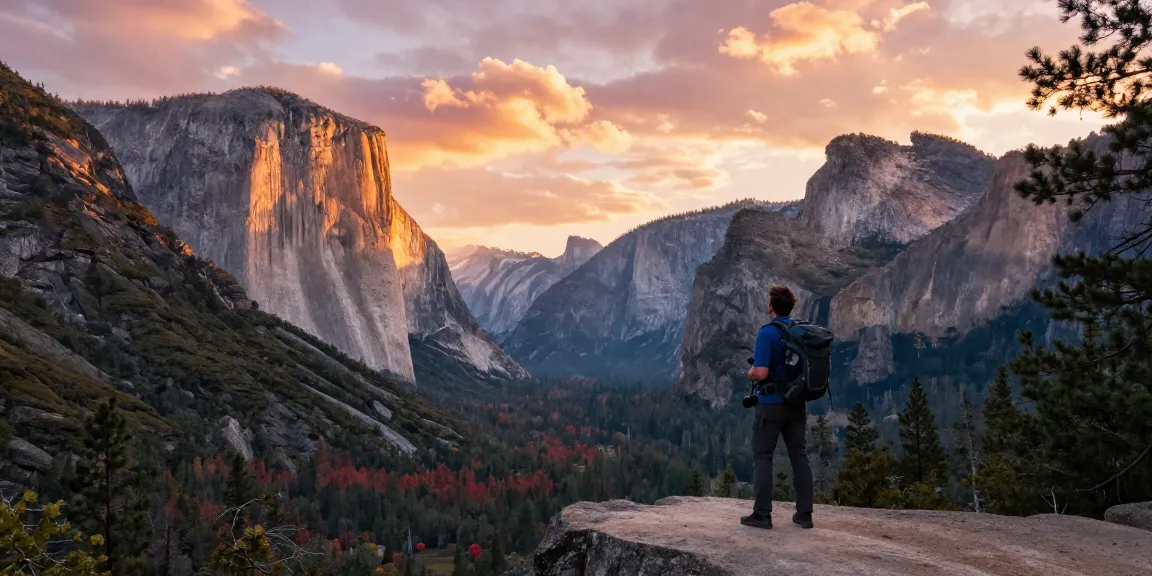
- El Capitan: This massive granite monolith is a favorite for climbers and offers stunning views for spectators.
- Yosemite Falls: One of the tallest waterfalls in North America, best viewed in spring when the water flow is at its peak.
- Glacier Point: A breathtaking viewpoint providing panoramic vistas of the valley below.
3. Park Regulations and Safety Tips
To ensure a safe visit, it's crucial to familiarize yourself with park regulations. Always stay on designated trails, respect wildlife, and check for any seasonal regulations regarding closures or restrictions. Being mindful of fire safety and leaving no trace are vital components of enjoying the park responsibly.
Planning Your Yosemite Adventure
Successfully planning your trip can significantly enhance your overall experience in Yosemite. From choosing the best time to securing accommodations, detailed planning is key.
1. Choosing the Right Time of Year to Visit
The optimal time to visit Yosemite depends on what you seek. For wildflowers and waterfalls, spring is ideal, while autumn offers vibrant foliage. Winter attracts those keen on snow sports, but accessibility may be limited due to snow. Always check weather conditions prior to your visit.
2. Accommodation Options Near the Park
Accommodations near Yosemite range from campgrounds to luxurious lodges. Options include:
- Camping: There are numerous campgrounds within the park that offer a rustic experience amidst nature.
- Lodges: Establishments like the Tenaya Lodge at Yosemite provide more comfort and amenities.
- Nearby Towns: Consider staying in nearby towns like Mariposa or Groveland for additional dining and shopping options.
3. Suggested Itineraries for Different Lengths of Stay
Your itinerary can vary based on the length of your stay. A typical 2-day itinerary might include:
- Day 1: Explore Yosemite Valley, see El Capitan, and hike to Yosemite Falls.
- Day 2: Visit Glacier Point and take a leisurely hike in the Mariposa Grove.
For longer visits, consider including additional activities like rock climbing or guided tours.
Frequently Asked Questions
How far is Yosemite National Park from San Francisco California?
The distance is approximately 170 miles, taking roughly 3.5 to 4.5 hours by car under normal conditions.
What is the best time to visit Yosemite National Park?
The best times are late spring and early autumn, offering mild weather and fewer crowds.
Are there guided tours available from San Francisco to Yosemite?
Yes, numerous tour companies offer guided trips, complete with transportation and often additional activities.
What should I pack for a trip to Yosemite?
Pack layers for changing weather, comfortable hiking shoes, snacks, and safety gear like a first aid kit.
Are there any restrictions or permits needed to visit Yosemite?
While entrance fees are required, specific activities like camping and climbing may require additional permits. Always check the park's website for the latest regulations.